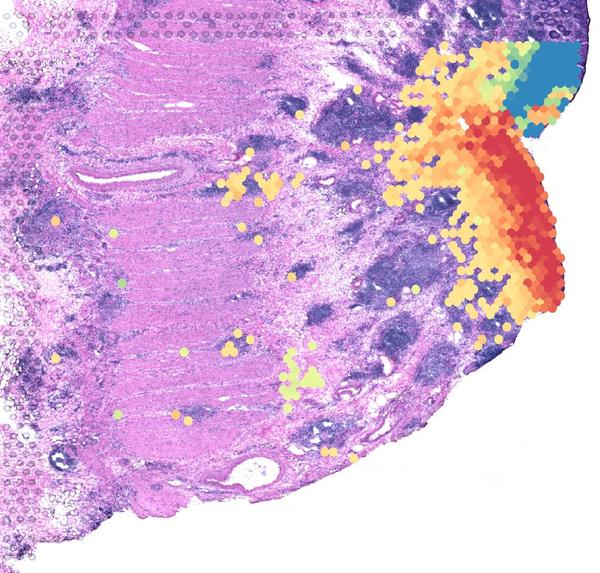
Broad Institute • 25th June 2025 Scientists discover network of cells and genes involved in Crohn’s disease complication
Broad Institute • 16th June 2025 #WhyIScienceQ&A: A neuroscientist advocates for stepping outside your comfort zone in research
Broad Institute • 29th May 2025 New technique expands cells to sequence DNA and capture fine structural details
Broad Institute • 19th May 2025 New study aims to uncover the genetics of anorexia and other eating disorders
Broad Institute • 12th May 2025 #WhyIScience Q&A: A systems biologist uses AI to understand how the genome controls cell fate
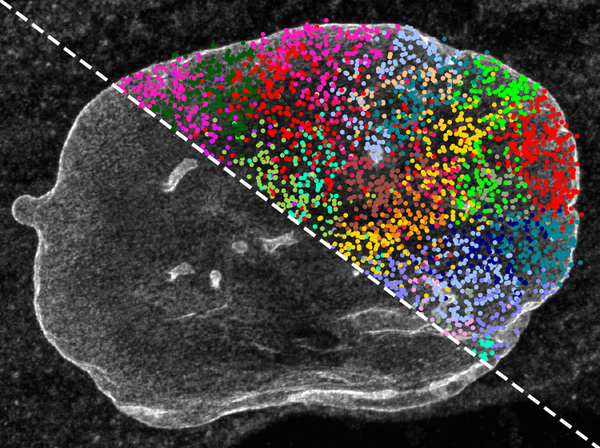
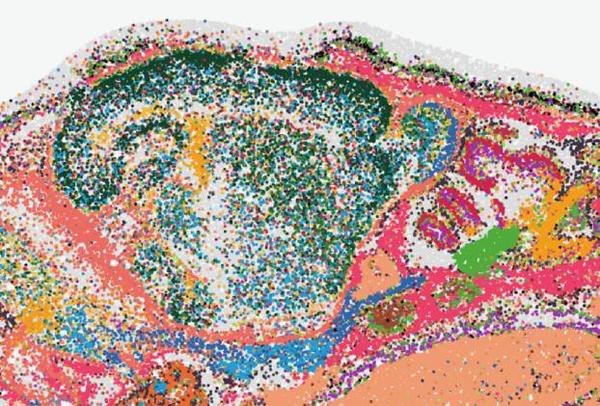
Broad Institute • 3rd April 2025 Scientists have developed a way to scale up spatial genomics and lower costs
Broad Institute • 5th February 2025 Mutations in two gene pairs point to a promising drug target in 5 percent of adult cancers
Broad Institute • 16th January 2025 Study finds surprising way that genetic mutation causes Huntington’s disease, transforming understanding of the disorder
Broad Institute • 7th January 2025 A clinical genomicist harnesses team-based science to help rare-disease patients
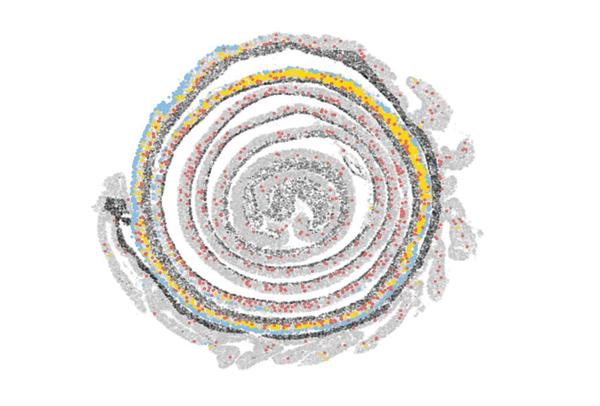
Broad Institute • 20th November 2024 Scientists find a region of the mouse gut tightly regulated by the immune system
Broad Institute • 30th September 2024 Q&A: How Terra became a backbone of public health pathogen surveillance
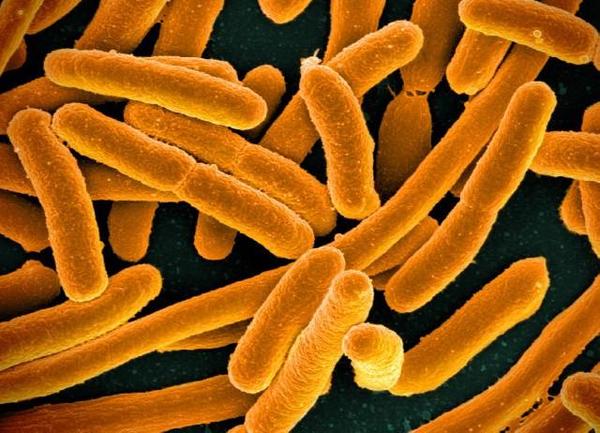
Broad Institute • 18th September 2024 Scientists identify a unique combination of bacterial strains that could treat antibiotic-resistant gut infections
Broad Institute • 20th August 2024 #WhyIScience Q&A: A systems biologist develops computational tools to bring scale to cell experiments
Broad Institute • 7th August 2024 Machine learning approach helps researchers design better gene-delivery vehicles for gene therapy
Broad Institute • 25th July 2024 Q&A: How a stem cell bank is helping scientists understand psychiatric disorders
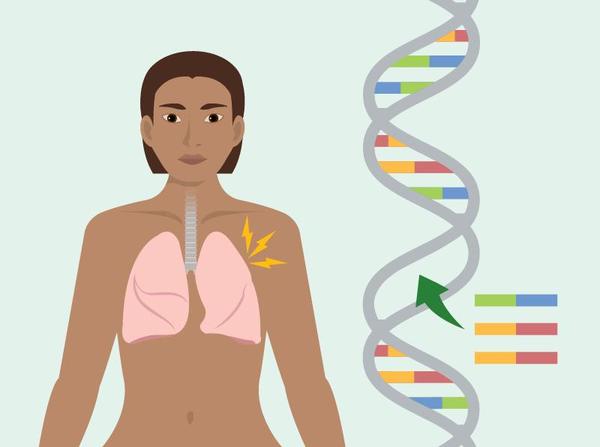
Broad Institute • 10th July 2024 Prime editing efficiently corrects cystic fibrosis mutation in human lung cells